Business Operations That Continue Without Plumbing Failures
Commercial Plumbing Services in Jacksonville for offices, retail spaces, restaurants, and industrial facilities
When a restroom floods during business hours or a kitchen loses hot water mid-shift, operations halt and revenue stops. Texas Plumbing Masters provides commercial plumbing for businesses in Jacksonville, Tyler, Bullard, and surrounding areas that cannot afford extended downtime, from office buildings with multiple tenant spaces to restaurants operating under health department oversight. Commercial systems differ fundamentally from residential plumbing because they handle higher simultaneous demand, operate under stricter code requirements, and require components rated for constant use rather than intermittent residential patterns.
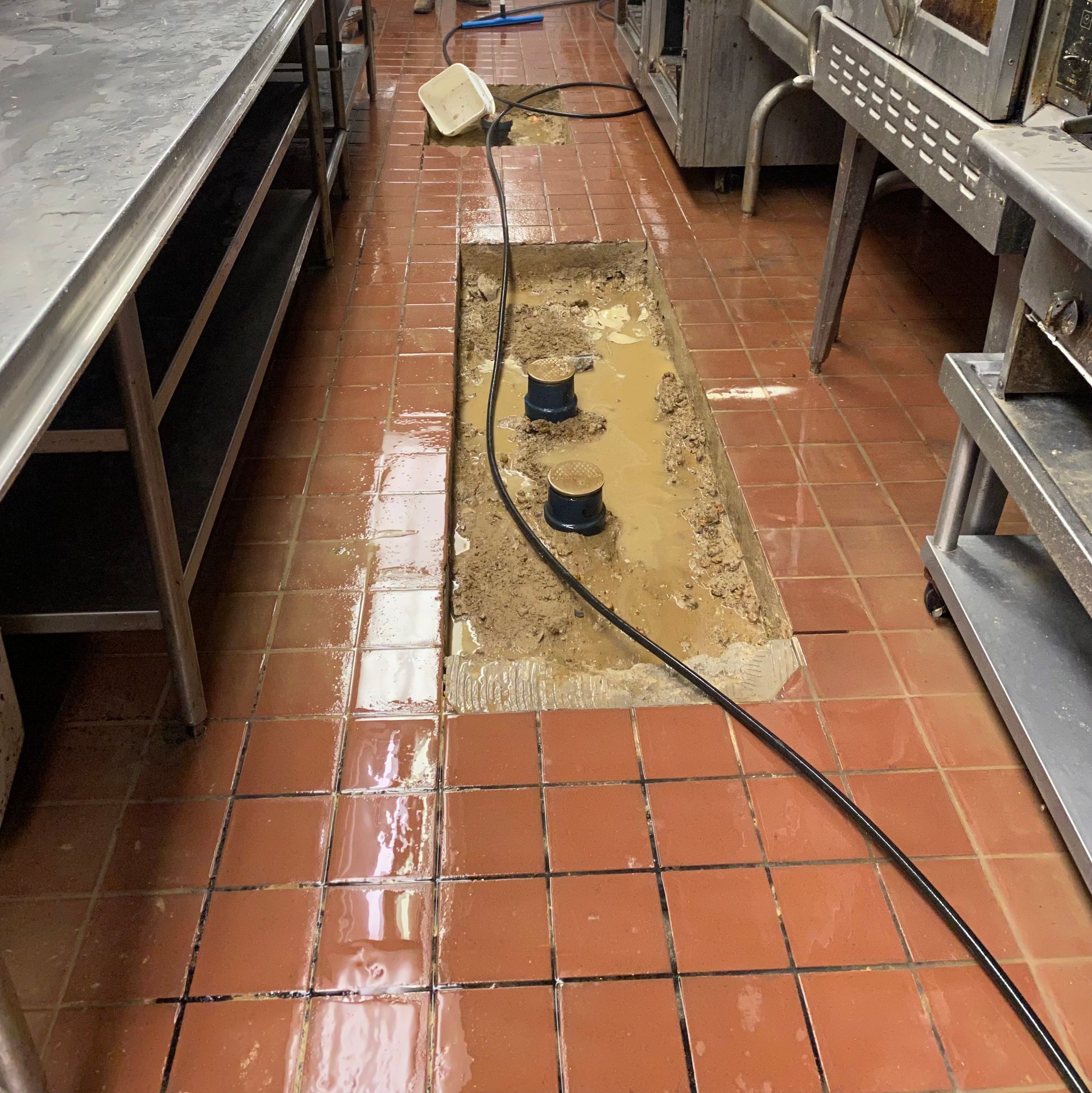
Commercial plumbing service includes emergency repairs, scheduled maintenance, system expansions, and code compliance upgrades for larger properties. Work often occurs during off-hours to avoid disrupting business operations, and project management coordinates with property managers to minimize tenant impact. Restaurants require grease trap maintenance and high-capacity water heating, while retail properties need public restroom systems designed for heavy traffic and vandal-resistant fixtures.
Arrange a site evaluation to assess your facility's current plumbing condition and maintenance needs.
How Commercial Plumbing Addresses Business Demands
Commercial plumbing demands differ from residential work in scale, code requirements, and consequences of failure, which means your plumber must understand backflow prevention regulations, commercial fixture standards, and ADA compliance requirements. Diagnostics involve evaluating system capacity against actual demand, testing backflow preventers annually as regulations require, inspecting concealed piping in ceiling spaces and mechanical rooms, and documenting conditions for property management records. Many commercial buildings in East Texas contain plumbing installed during original construction decades ago, now operating beyond design capacity as businesses expand or tenant needs change.
After commercial plumbing service addresses system problems, your facility operates with restrooms that handle peak traffic without backups, water heaters that maintain temperature through consecutive high-demand periods, and floor drains that evacuate water quickly during cleaning operations. Tenants stop reporting low pressure complaints, kitchen staff no longer work around malfunctioning equipment, and property managers receive fewer emergency calls outside business hours. These operational improvements come from properly sizing systems, replacing worn commercial-grade components, and maintaining equipment before failures occur rather than reacting to breakdowns.
Service contracts provide scheduled inspections, priority emergency response, and documented maintenance history that satisfies insurance requirements and supports property valuations. Proactive maintenance costs substantially less than emergency repairs that require after-hours labor rates, expedited parts delivery, and potential business interruption losses while waiting for service.
Answers to Frequent Service Questions
Business owners and facility managers typically want to understand service processes and how commercial plumbing differs from residential work before scheduling appointments.
What makes commercial plumbing different from residential service?
Commercial systems use higher-capacity components, must meet commercial building codes, require annual backflow testing, and involve coordination with property managers and multiple tenants. Fixtures and piping are rated for constant use rather than intermittent residential demand patterns.
How do plumbers minimize business disruption during repairs?
Work gets scheduled during closed hours or low-traffic periods when possible, and sectional shut-offs isolate affected areas so other parts of the building remain operational. Emergency repairs follow containment protocols that limit water damage and restore partial service quickly while comprehensive fixes proceed.
When does commercial plumbing require permits and inspections?
Permits are required for water heater replacements, backflow preventer installations, system expansions, and modifications to drain or supply lines. Inspections verify code compliance and proper installation before walls close or systems activate.
Why do commercial buildings need regular plumbing maintenance?
Scheduled maintenance identifies worn components before they fail during business hours, maintains warranty coverage on installed equipment, satisfies insurance requirements, and documents system conditions for property records. Restaurants particularly benefit from drain line maintenance that prevents grease buildup and health code violations.
What should property managers look for when evaluating plumbing contractors?
Look for commercial licensing, general liability insurance, experience with your building type, references from similar properties in Jacksonville, and documented maintenance programs rather than repair-only relationships. Contractors should provide written estimates and coordinate with your schedule.
Texas Plumbing Masters works with business owners and property managers throughout Jacksonville and neighboring communities to maintain commercial plumbing systems and respond when failures threaten operations. Contact us to discuss service contracts or request emergency commercial plumbing assistance.