

Systems That Address Hard Water and Sediment
Water Filtration Services in Jacksonville for homeowners dealing with visible sediment, odors, or mineral deposits
Hard water minerals leave visible rings around faucets, create film on shower doors, and gradually build up inside pipes and appliances. Texas Plumbing Masters installs and services filtration systems and water softeners that address these issues throughout residential properties in Jacksonville. These systems reduce sediment, chlorine, hard water minerals, and other contaminants that affect both water quality and plumbing longevity.
Water filtration systems remove particles, chlorine, and odors that affect taste and clarity, while water softeners specifically target calcium and magnesium—the minerals responsible for scale buildup. The choice between filtration alone or a combined filtration and softening approach depends on what's present in your water supply and how those elements impact daily use.
Request an on-site consultation to evaluate your current water quality and discuss system options based on household needs.
What Proper Filtration and Softening Require
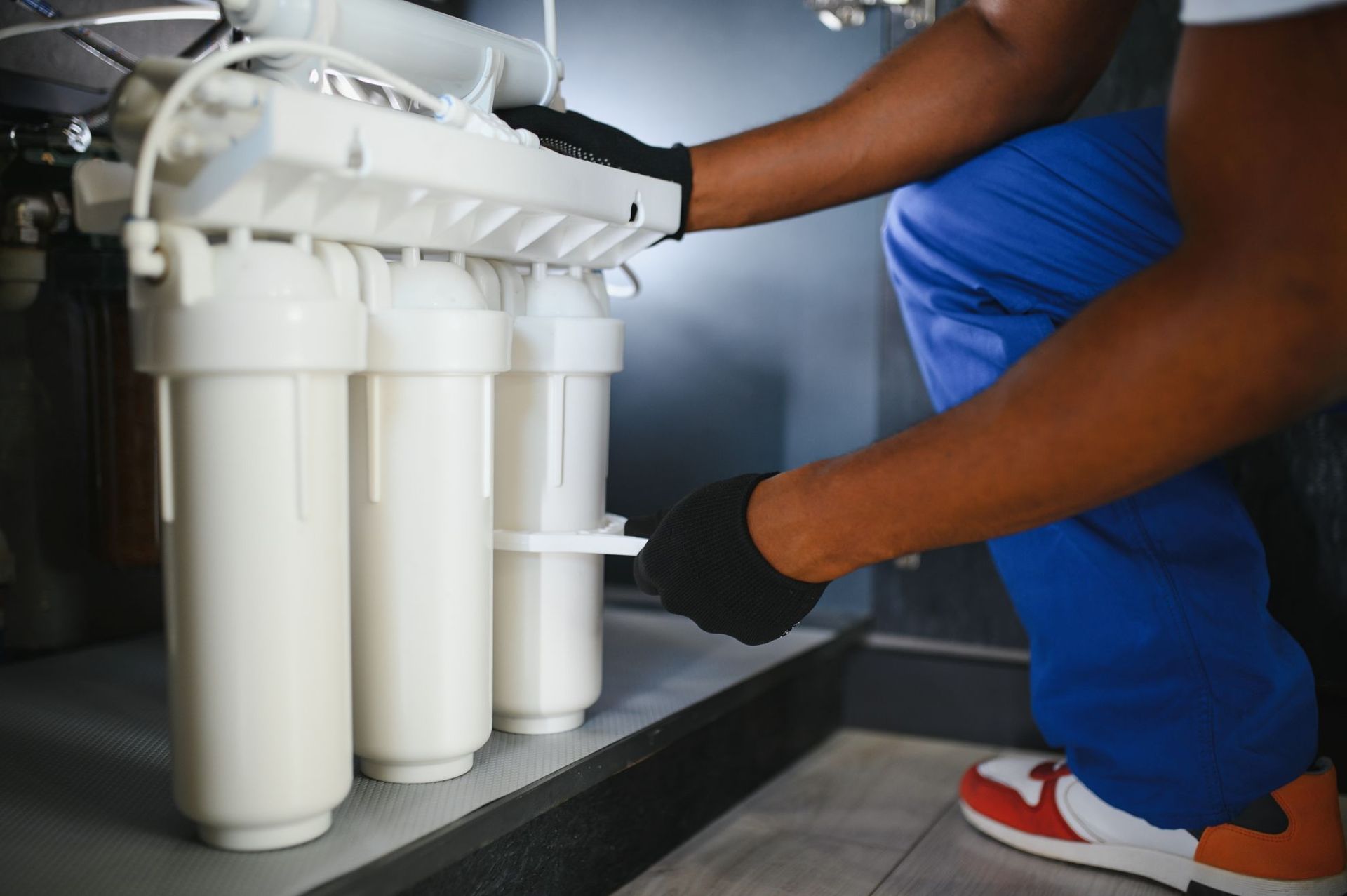
Installation begins with water testing to identify which contaminants are present and at what levels. A whole-house filtration system typically includes a sediment pre-filter, a carbon filter for chlorine and organic compounds, and sometimes additional stages for specific concerns. Water softeners use ion exchange resin to replace hardness minerals with sodium or potassium, requiring periodic salt additions and occasional resin cleaning.
After installation, you'll notice cleaner glassware without cloudy spots, soap that lathers more easily, and reduced scale formation on faucets and showerheads. Water heaters and other appliances that rely on clean water operate more efficiently because mineral buildup no longer coats heating elements or clogs valves. Drinking water tastes noticeably different when chlorine and sediment are filtered out at the point of entry.
System maintenance includes filter cartridge replacements on a schedule determined by household water usage and contamination levels, along with salt replenishment for softeners. Some systems feature digital monitors that track water flow and signal when service is due, while others require manual tracking based on gallons processed or time elapsed since the last cartridge change.
Questions Before Starting Your Project
Homeowners often ask about system selection, maintenance requirements, and how filtration changes daily routines. These answers address common concerns about water treatment installation and ongoing care.
What information helps determine the right system?
A recent water quality report or lab test showing hardness levels, chlorine concentration, sediment presence, and any detected contaminants guides system selection. In Jacksonville, many homes deal with elevated hardness and iron content, which influences whether a softener, iron filter, or both are needed alongside standard carbon filtration.
How often do filters need replacement?
Sediment pre-filters typically require replacement every three to six months depending on particulate load, while carbon filters last six to twelve months under normal household use. Softener resin beds can function for several years before requiring cleaning or replacement, though salt must be added every few weeks based on water consumption and hardness levels.
What happens if the system runs out of salt?
The softener stops removing hardness minerals, and you'll notice scale buildup returning to fixtures and appliances. Water pressure isn't affected, but the protective benefits disappear until salt is replenished and the regeneration cycle completes.
How does installation affect existing plumbing?
The system is installed at the main water line after the pressure regulator but before branch lines split off to different areas of the home. This location treats all water entering the house, though some homeowners choose to bypass outdoor spigots to avoid using treated water for irrigation or car washing.
What signs indicate a system needs service?
Reduced water pressure, off-tasting water despite recent filter changes, or visible sediment in water are signs that a filter is saturated or a component has failed. Water softeners may leave slippery residue on skin when the resin bed becomes fouled or when regeneration cycles aren't completing properly.
Texas Plumbing Masters provides system installation, routine maintenance, and filter replacements for homeowners throughout Jacksonville who want reliable water treatment. Schedule a water quality assessment to identify which contaminants affect your household and determine the appropriate filtration or softening approach.