Underground Repairs Without Destroying Your Property
Trenchless Pipe Repair in Jacksonville for leaking underground lines, root damage, and pipe deterioration
Traditional pipe repair requires excavating trenches across lawns, driveways, and landscaping to access damaged underground lines, then restoring surfaces after repairs are complete. Trenchless methods allow Texas Plumbing Masters to repair or replace deteriorating pipes while preserving established landscaping, hardscapes, and surface improvements for properties throughout Jacksonville, Tyler, Mount Pleasant, and surrounding areas. These advanced techniques address leaks, cracks, root intrusion, and general pipe deterioration that affect water lines, sewer lines, and drain systems buried beneath finished surfaces.
Trenchless repair involves inserting materials through existing access points or small entry pits to restore pipe function from the inside. Camera inspection identifies damage locations, pipe condition, and whether the situation suits trenchless methods or requires traditional excavation. Root intrusion from mature trees seeking water sources, clay pipe deterioration common in older East Texas properties, and cracks from soil movement can often be addressed without removing the landscaping that took years to establish.
Request a trenchless pipe evaluation to determine whether your underground line damage can be repaired with minimal property disruption.
How Trenchless Methods Address Underground Pipe Problems
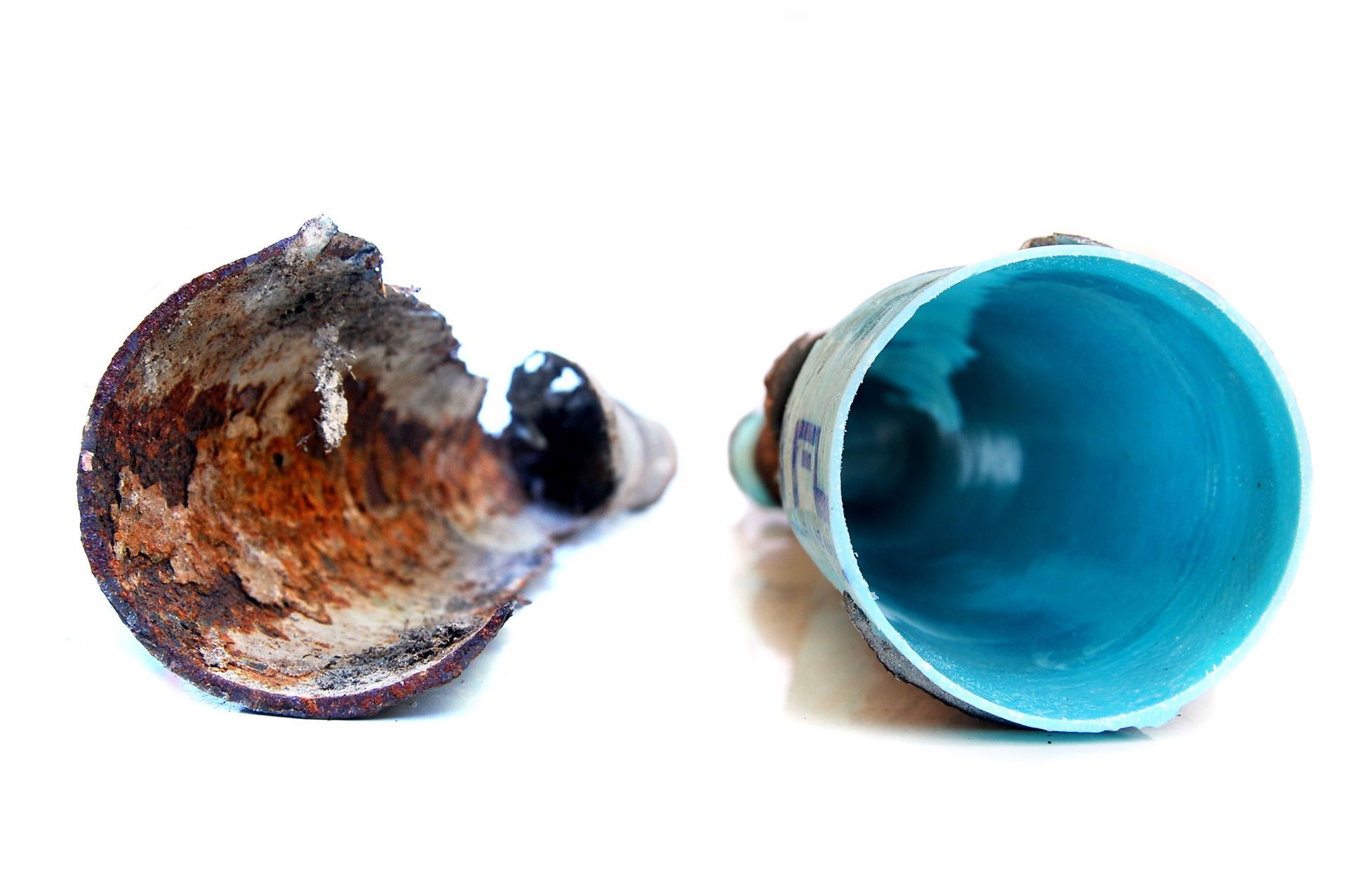
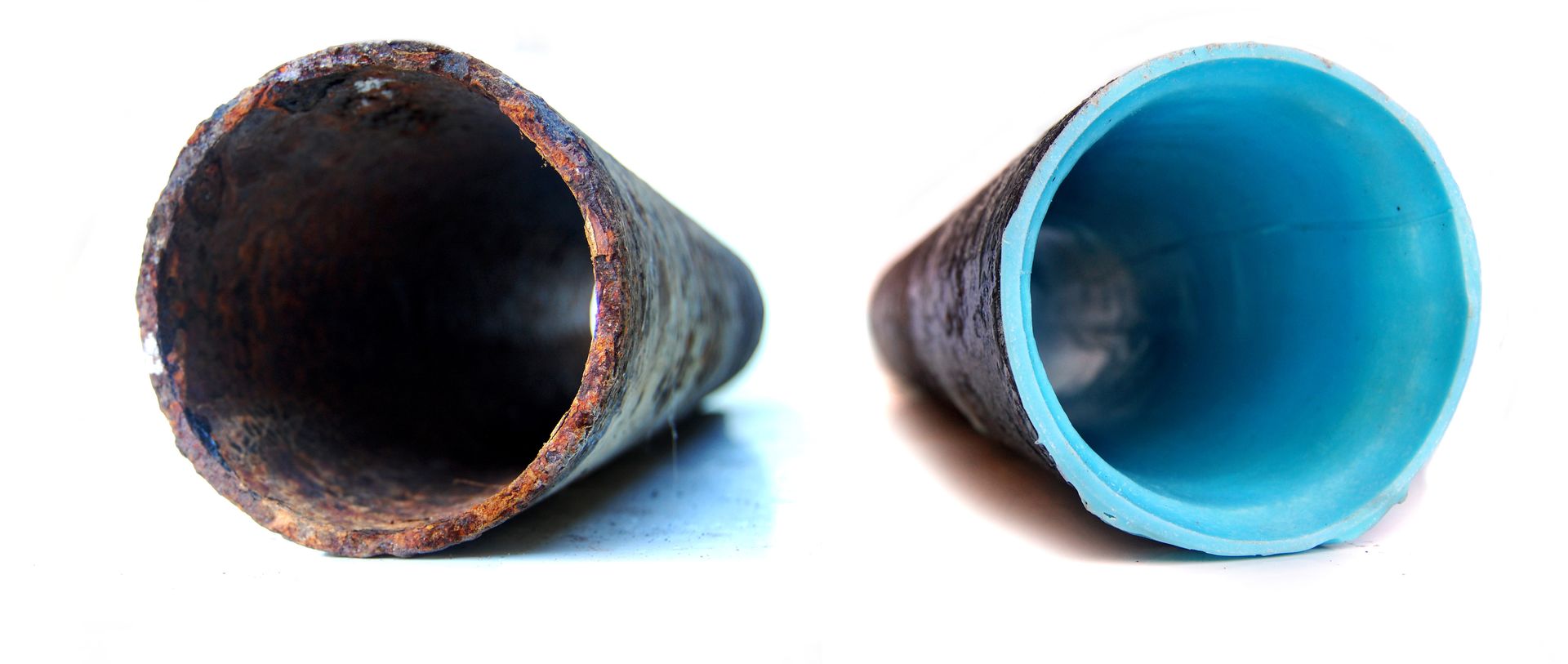
Trenchless repair methods vary based on pipe condition and damage extent. Pipe lining creates a new pipe inside the existing one by inserting resin-saturated material that hardens against the old pipe walls, sealing cracks and stopping leaks without removing the original pipe. Pipe bursting replaces severely deteriorated lines by pulling new pipe through the old route while simultaneously breaking apart the damaged pipe. Both approaches require camera inspection beforehand to map the system and verify that pipe alignment, collapse severity, and access points make trenchless methods feasible.
After trenchless repair, underground leaks stop, water pressure returns to normal, and sewage flows without backups or slow drainage. Your property shows minimal surface disturbance—usually just small access pits rather than continuous trenches—and established trees, flower beds, driveways, and sidewalks remain intact. The repaired pipe section typically outlasts surrounding original pipe because modern materials resist root penetration and corrosion that affected the older system.
Trenchless methods work best for pipes with specific damage patterns rather than complete collapse or severe misalignment. Not every situation qualifies, which is why camera inspection and system evaluation come first. Properties with extensive landscaping, mature trees, decorative hardscapes, or underground utilities near damaged pipes benefit most from trenchless approaches that accomplish repairs without disturbing these features. Commercial properties appreciate reduced downtime and surface restoration costs compared to traditional excavation.
Answers to Frequent Service Questions
Trenchless pipe repair represents newer technology compared to traditional excavation, so property owners throughout Jacksonville and neighboring communities typically want to understand how it works and when it's appropriate for their situation.
What pipe problems can trenchless methods fix?
Trenchless repair addresses cracks, leaks, root intrusion, joint separation, and general deterioration in pipes that retain structural integrity and reasonable alignment, but completely collapsed or severely misaligned pipes may still require excavation.
How long does trenchless pipe repair take?
Most residential trenchless repairs complete within one to two days depending on damaged section length and access point availability, significantly faster than excavation projects that require trench digging, shoring, pipe replacement, backfilling, and surface restoration.
When is excavation still necessary?
Pipes that have collapsed completely, shifted significantly out of alignment, or deteriorated beyond the point where lining materials can adhere properly require traditional excavation to remove and replace the damaged sections.
What happens to tree roots inside the pipe?
Roots are cut away during the cleaning process before lining or bursting occurs, and the new pipe surface resists re-entry because modern materials don't develop the cracks and joint gaps that originally allowed root penetration.
Why does East Texas soil affect underground pipes?
Clay soils common around Jacksonville expand when wet and contract during dry periods, creating movement that stresses rigid pipes over decades and contributes to the joint separation and cracking that eventually cause leaks and root intrusion.
Texas Plumbing Masters evaluates underground pipe damage to determine whether trenchless methods suit your situation. Schedule a camera inspection and system assessment to explore repair options that preserve your property's landscaping and surfaces.